
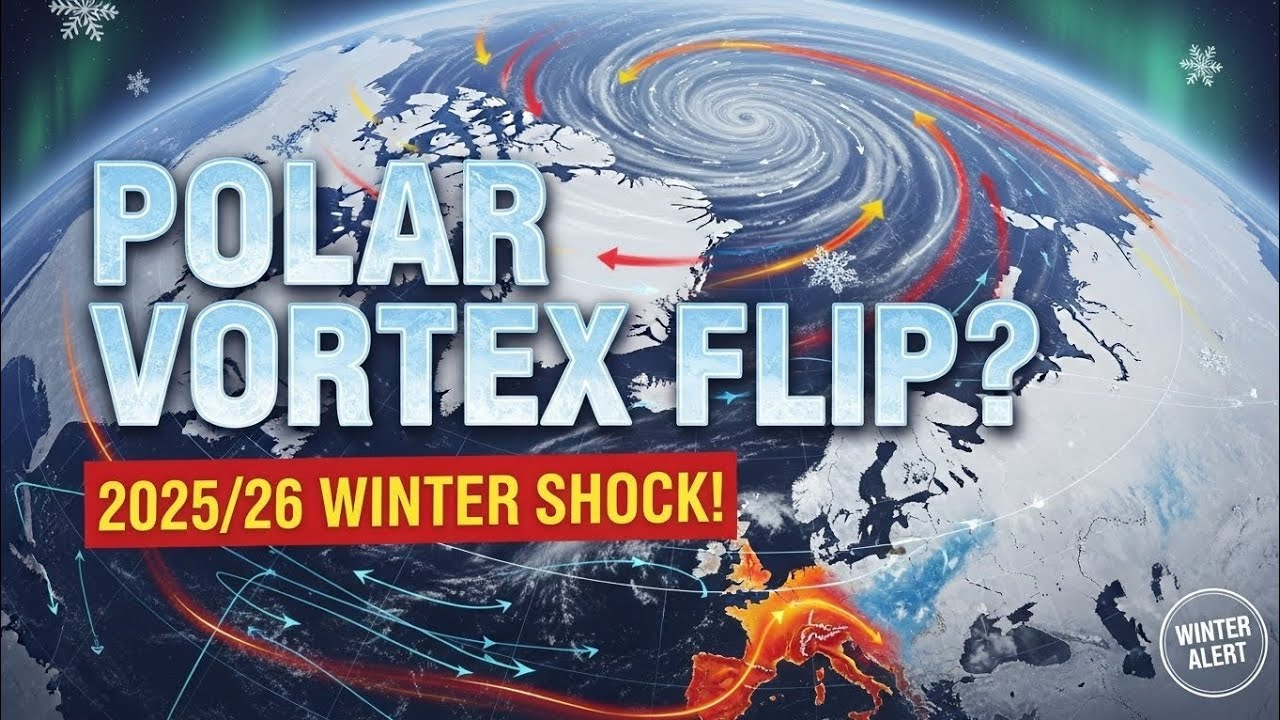
The Silent Atmospheric Explosion: High above the Earth’s surface, far beyond clouds and storms, the atmosphere is undergoing a dramatic transformation. Meteorologists are closely watching a developing Sudden Stratospheric Warming (SSW) event in March that could significantly alter weather patterns across the Northern Hemisphere.

While most people associate winter weather with surface-level conditions such as cold fronts and snowstorms, some of the most powerful atmospheric shifts begin 30–50 kilometers above the planet in the stratosphere. When the stratosphere suddenly warms, it can disrupt the atmospheric circulation that normally keeps Arctic air locked near the pole.
Scientists warn that this rare early-season warming event could reshape winter forecasts, trigger late-season cold outbreaks, and produce unpredictable weather patterns across North America, Europe, and Asia in the coming weeks. The Watchers+1
Understanding what is happening in the upper atmosphere—and why it matters—can help explain why the rest of winter may not follow the forecast many expected.
What Is Sudden Stratospheric Warming?
Sudden stratospheric warming is one of the most dramatic weather phenomena that occurs in the upper atmosphere.
Normally, a powerful circulation known as the Polar Vortex spins around the Arctic during winter. This ring of strong winds acts like a barrier, trapping the coldest air near the North Pole.
But during an SSW event, temperatures in the stratosphere can increase by 30°C to 50°C in just a few days—an extraordinary change at such high altitudes. vwc.org.au
When this happens:
- The polar vortex weakens or splits apart
- Stratospheric winds slow down or reverse direction
- Cold Arctic air becomes more likely to escape toward lower latitudes
Although these changes occur far above the surface, they can influence weather patterns weeks later.
Why This March Event Is Unusual
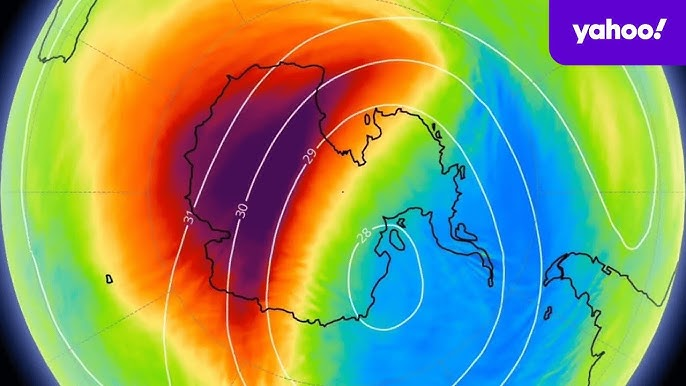
Stratospheric warming events occur periodically during winter, but the developing event in March is attracting special attention from scientists.
Two factors make it unusual:
1. Its Timing
By March, the stratosphere usually begins warming gradually as sunlight returns to the Arctic after months of darkness.
However, the current warming appears much faster and stronger than normal seasonal changes.
2. Its Potential Intensity
Some atmospheric models indicate that winds in the stratosphere may reverse direction completely, a hallmark of major SSW events. thecustomstudio.co.uk
If that happens, the polar vortex could be displaced or even split into multiple parts.
This disruption could cascade downward into the lower atmosphere and affect weather patterns across large regions.
How the Polar Vortex Gets Disrupted
The polar vortex may sound mysterious, but the physics behind its disruption is relatively well understood.
Large atmospheric waves known as planetary or Rossby waves travel upward from the lower atmosphere into the stratosphere.
These waves are often generated by:
- Mountain ranges such as the Rockies or Himalayas
- Temperature differences between land and oceans
- Large-scale weather systems in the troposphere
When these waves reach the stratosphere, they transfer energy that slows and distorts the polar vortex.
Eventually, the vortex can weaken, wobble, or even collapse entirely.
What Happens After the Stratosphere Warms
One of the most fascinating aspects of stratospheric warming events is that their impacts are not immediate.
Instead, the atmospheric changes gradually propagate downward through the atmosphere.
This process can take 10 to 30 days.
When the effects finally reach the lower atmosphere, several things may occur:
- The jet stream becomes more unstable
- Large north–south swings in weather patterns develop
- Cold Arctic air spills into mid-latitudes
This delayed effect is why meteorologists are paying close attention to the March event.
Potential Impacts on Winter Weather
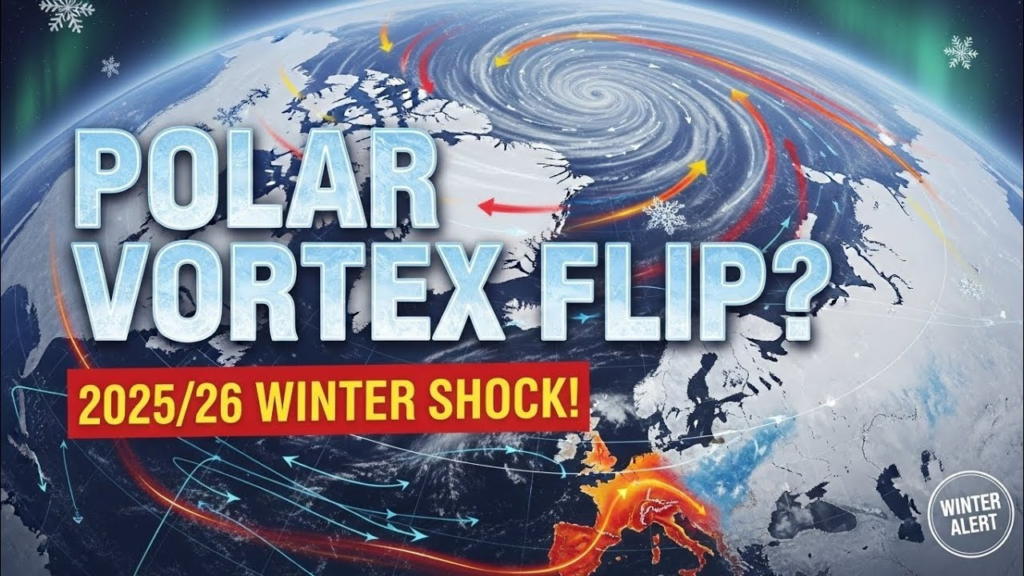
If the developing SSW event strengthens as expected, the effects could be felt across several continents.
Possible outcomes include:
Late-Season Cold Outbreaks
Cold air that normally stays near the Arctic could move southward into parts of North America, Europe, and Asia.
Increased Snowfall
A disrupted jet stream can allow moisture and cold air to combine, increasing the likelihood of snowstorms.
Extreme Temperature Swings
Some regions could experience rapid changes from mild conditions to sudden cold spells.
Scientists say these changes may occur weeks after the initial warming event. The Watchers
Why Forecasting These Events Is Difficult
Despite decades of research, predicting the exact effects of sudden stratospheric warming remains challenging.
Weather models must simulate complex interactions between multiple layers of the atmosphere.
Different forecasting systems sometimes produce very different scenarios.
For example:
- One model may show cold outbreaks in North America
- Another may predict warmer conditions in Europe
- A third may show minimal surface impact
Meteorologists therefore rely on ensemble forecasting, which runs dozens of simulations to identify likely patterns.
Historical Examples of SSW Impacts
Several major weather events in recent decades have been linked to sudden stratospheric warming.
Some well-known examples include:
The 2018 “Beast from the East”
A powerful SSW disrupted the polar vortex and allowed Arctic air to surge into Europe, producing heavy snow and extreme cold.
The Texas Freeze of 2021
Stratospheric warming helped destabilize the polar vortex, contributing to the cold wave that caused widespread power outages in the United States.
These events highlight how changes high above the Earth can shape weather far below.
Why March Events Can Be Especially Powerful
Interestingly, late-winter SSW events may have stronger surface impacts than mid-winter ones.
By March, the atmosphere is already transitioning toward spring.
This creates a more sensitive atmospheric environment, where disturbances can easily reshape weather patterns.
In addition:
- The jet stream is often weaker
- Temperature gradients are changing
- Atmospheric circulation becomes more unstable
These factors increase the likelihood that the stratospheric disruption will influence surface weather.
The Role of the Jet Stream
The Jet Stream plays a crucial role in determining how stratospheric warming affects surface weather.
When the polar vortex weakens, the jet stream can become highly wavy.
Instead of flowing in a relatively straight line around the Northern Hemisphere, it begins forming large north–south loops.
These loops can:
- Pull warm air far north
- Push cold Arctic air far south
The result is often dramatic temperature contrasts across continents.
How Long the Effects Could Last
The influence of a sudden stratospheric warming event can persist for weeks.
Research shows that weakened polar vortex conditions can increase the probability of cold outbreaks for up to six weeks after the initial event.
During this time, weather patterns may remain unusually unstable.
Regions that initially experience warmth could later see sudden cold spells.
What Scientists Are Watching Right Now
Meteorological centers around the world are closely monitoring several indicators:
- Stratospheric temperature changes
- Wind speeds at the 10 hPa pressure level
- Polar vortex structure
- Jet stream behavior
If the warming continues intensifying, scientists may officially classify the event as a major sudden stratospheric warming.
That designation typically means the polar vortex has undergone a full disruption.
How Climate Change May Influence These Events
The relationship between climate change and stratospheric warming events is still an area of active research.
Some scientists suggest that a warming Arctic could influence the behavior of the polar vortex.
However, current studies show mixed results, and the link is not yet fully understood.
What is clear is that SSW events have occurred for decades, long before modern climate change debates.
They remain a natural part of Earth’s atmospheric system.
Why This Event Matters for Forecasting
Seasonal forecasts issued earlier in winter often assume relatively stable atmospheric conditions.
A sudden stratospheric warming event can quickly change those assumptions.
Forecasters may need to revise predictions regarding:
- Late-winter temperatures
- Snowfall patterns
- Storm tracks
- Cold outbreak risks
For industries such as energy, aviation, and agriculture, these changes can have significant economic consequences.
Could Winter Extend Longer Than Expected?
One of the biggest questions surrounding the March SSW event is whether it could extend winter conditions into early spring.
While it is too early to say for certain, meteorologists warn that:
- Cold outbreaks could occur well into March
- Snowstorms may appear in regions expecting spring weather
- Temperature swings could become more extreme
The atmosphere is still evolving, and new data will continue shaping forecasts in the coming weeks.
Conclusion
The developing sudden stratospheric warming event in March is a reminder that some of the most powerful weather changes begin far above the Earth’s surface.
By disrupting the polar vortex and altering the jet stream, this rare atmospheric event could reshape late-winter weather patterns across much of the Northern Hemisphere.
Although the exact impacts remain uncertain, scientists agree that the event’s timing and intensity make it one of the most closely watched atmospheric developments of the season.
As the stratosphere continues to warm, meteorologists around the world will be tracking the skies—both above and below—to see how winter’s final chapter unfolds.
FAQs
What is sudden stratospheric warming?
Sudden stratospheric warming is a rapid increase in temperatures in the stratosphere that can weaken or disrupt the polar vortex, influencing weather patterns weeks later.
How often do SSW events occur?
They occur roughly every one to two years in the Northern Hemisphere, though their strength and impacts vary.
How long does it take for the effects to reach the surface?
The atmospheric changes typically take 10 to 30 days to propagate downward and affect surface weather.