
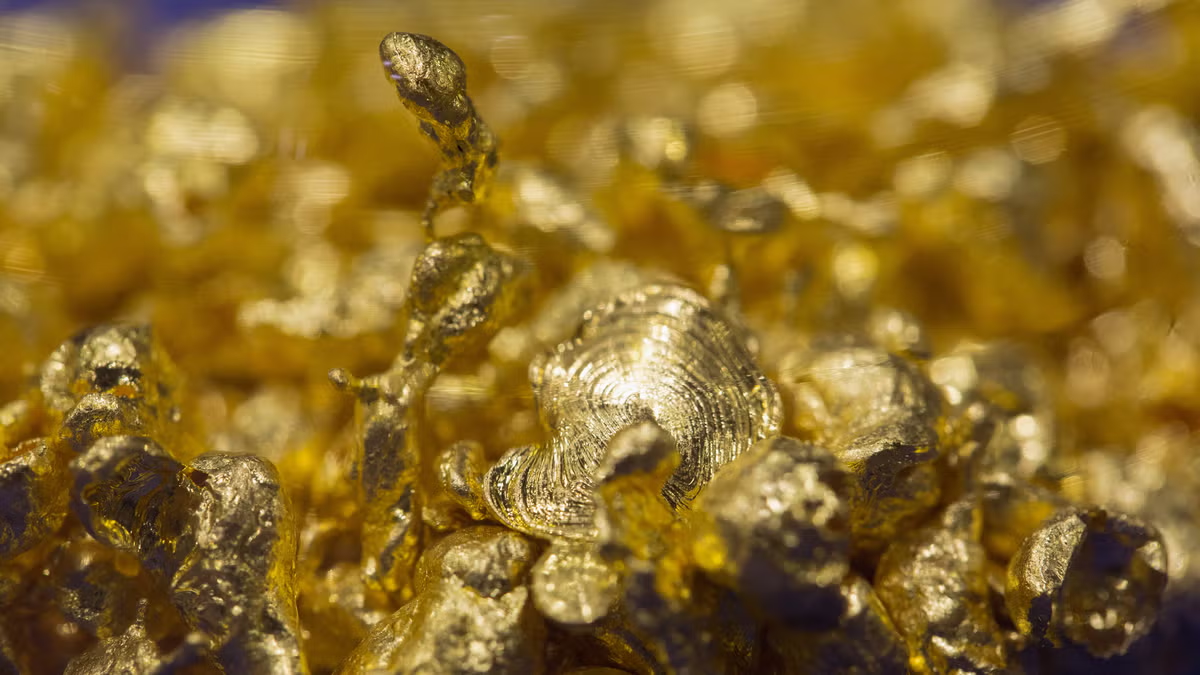
America’s Hidden Goldmine: A remarkable discovery in the United States has captured the attention of geologists, economists, and policymakers worldwide. Reports suggest that a newly identified mineral deposit could be worth as much as €120 billion, making it one of the most valuable natural resource finds in recent years.
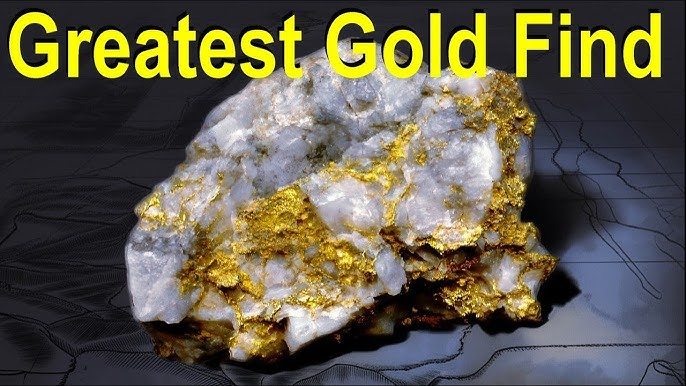
This potential mine, located in the western region of the United States, contains minerals that are considered essential for modern industries, including renewable energy, electronics, and advanced manufacturing.
If confirmed and developed, the discovery could significantly strengthen domestic supply chains, reduce reliance on foreign imports, and reshape the global market for critical minerals.
In this article, we explore where the deposit was discovered, why it is so valuable, and how it could impact industries, economies, and the future of resource development.
Where the Discovery Was Made
The newly identified mineral deposit lies within a geologically rich region of the western United States. While several states in this region are known for their mineral wealth, researchers have pointed to deposits in areas such as Nevada and California as some of the most promising locations for critical minerals.
Geological surveys conducted over recent years revealed unusually high concentrations of valuable elements beneath the surface. Advanced exploration techniques—including satellite imaging, geochemical analysis, and drilling—helped scientists confirm the potential size of the resource.
Preliminary estimates indicate that the deposit could be worth around €120 billion, depending on extraction feasibility and global commodity prices.
What Makes This Mine So Valuable
The enormous estimated value of the mine comes from the presence of critical minerals used in modern technology.
These minerals play a crucial role in industries such as:
- Electric vehicle manufacturing
- Renewable energy systems
- Consumer electronics
- Aerospace technology
- Defense and advanced manufacturing
Among the resources believed to be present in the deposit are lithium, rare earth elements, and other strategic metals that are in high demand worldwide.
The growing shift toward clean energy and electrification has made these minerals more valuable than ever before.
The Global Demand for Critical Minerals
In recent years, global demand for minerals used in advanced technologies has increased dramatically.
For example, electric vehicles require large amounts of battery materials such as lithium, cobalt, and nickel. Renewable energy technologies—including wind turbines and solar panels—also rely on rare earth elements.
Governments around the world are racing to secure stable supplies of these materials.
Currently, many of these resources are heavily concentrated in a small number of countries, particularly China, which dominates the processing of rare earth elements.
A major new deposit in the United States could therefore reduce dependence on foreign suppliers and strengthen domestic manufacturing capabilities.
Why the Discovery Matters for the U.S. Economy
A mine valued at €120 billion represents far more than a geological curiosity—it could become a powerful economic engine.
If developed successfully, the project could create:
- Thousands of direct mining jobs
- Additional employment in supply chains
- Infrastructure development in nearby communities
- Increased tax revenue for local and federal governments
Large-scale mining operations also stimulate related industries such as transportation, equipment manufacturing, and engineering services.
The long-term economic impact could extend well beyond the mine itself.
The Role of Mining in the Energy Transition
The global shift toward cleaner energy technologies requires vast quantities of minerals.
For instance:
- Electric vehicle batteries depend on lithium and nickel.
- Wind turbines require rare earth magnets.
- Solar panels rely on various specialized metals.
Without a stable supply of these resources, the transition to renewable energy could slow down.
The potential €120 billion deposit may therefore play a role in supporting global decarbonization efforts while strengthening domestic supply chains.
Challenges in Developing a New Mine
Despite its promising value, turning a mineral deposit into a functioning mine is a complex and lengthy process.
Several steps must occur before extraction can begin:
Geological Confirmation
Scientists must conduct extensive drilling and analysis to confirm the size and quality of the deposit.
Environmental Assessment
Mining projects in the United States must undergo rigorous environmental reviews to ensure they meet strict regulations.
Infrastructure Development
Roads, processing facilities, and power supplies must be built to support large-scale operations.
Investment and Financing
Developing a major mine can require billions of dollars in investment.
These steps can take many years to complete before production begins.
Environmental Considerations
Modern mining projects face increasing scrutiny regarding their environmental impact.
Communities and environmental organizations often raise concerns about:
- Water usage and contamination
- Habitat disruption
- Waste management
- Air pollution
Responsible mining companies now emphasize sustainable practices, including land restoration, water recycling, and reduced emissions.
Balancing economic benefits with environmental protection will be a critical challenge as the project moves forward.
Local Community Reactions
Major mining discoveries often generate mixed reactions among local communities.
Some residents welcome the economic opportunities, including job creation and infrastructure investment.
Others worry about potential environmental risks and the long-term impact on their region.
Public consultations and regulatory processes will likely play an important role in determining whether and how the mine proceeds.
Technological Advances in Mining
Modern mining technologies are far more advanced than those used decades ago.
Innovations now allow companies to extract minerals more efficiently and with less environmental disruption.
Examples include:
- Automated drilling systems
- Advanced mineral processing techniques
- Real-time environmental monitoring
- AI-driven geological modeling
These technologies can improve safety, reduce waste, and increase the overall sustainability of mining operations.
Global Market Implications
If the €120 billion deposit is fully developed, it could influence global markets for critical minerals.
A large new supply from the United States could:
- Stabilize prices for certain materials
- Reduce supply chain risks
- Increase competition in the global market
For industries dependent on these resources, greater supply security is highly valuable.
Strategic Importance for National Security
Critical minerals are increasingly viewed as essential to national security.
Many defense technologies require specialized metals used in electronics, communication systems, and advanced weapons.
Ensuring domestic access to these materials helps countries avoid supply disruptions during geopolitical tensions.
This is one reason governments are investing heavily in domestic mining and resource development.
How Long Before the Mine Becomes Operational?
Even if the deposit proves as valuable as initial estimates suggest, it may take several years or even decades before full-scale mining begins.
The timeline depends on:
- Environmental approvals
- Investment decisions
- Infrastructure development
- Market conditions
However, early exploration results have already generated excitement among industry experts.
The Future of Resource Exploration
The discovery of such a valuable deposit highlights the ongoing importance of geological exploration.
Despite centuries of mining activity, the Earth still contains many undiscovered resources.
Advances in technology—including satellite imaging, geophysical sensors, and artificial intelligence—are helping scientists identify mineral deposits that were previously difficult to detect.
These tools may lead to additional discoveries in the future.
Conclusion
The potential €120 billion mineral deposit discovered in the United States represents one of the most exciting resource finds in recent years.
If confirmed and responsibly developed, the mine could play a major role in supporting modern industries, strengthening domestic supply chains, and contributing to the global transition toward cleaner energy technologies.
However, the road from discovery to production is long and complex, involving environmental reviews, community engagement, and significant investment.
As exploration continues, scientists, policymakers, and industry leaders will closely watch how this remarkable discovery unfolds—and whether it truly becomes one of the most valuable mining projects of the century.
FAQs
Where was the €120 billion mine discovered?
The deposit was identified in the western United States, a region known for its rich geological resources and critical mineral deposits.
What minerals are believed to be in the mine?
Early reports suggest the presence of valuable resources such as lithium and rare earth elements used in advanced technologies and renewable energy systems.
Why are these minerals so important?
They are essential for manufacturing electric vehicles, batteries, wind turbines, electronics, and other modern technologies.
How long will it take to develop the mine?
Developing a major mining project can take many years due to exploration, environmental approvals, and infrastructure development.