
From Scientific Breakthrough to Tax Battle: In a surprising turn of events, a former gold prospector who opened his abandoned mine tunnels to geologists and researchers has found himself at the center of a growing controversy. What began as a cooperative effort to study historical mining structures and underground geology has turned into a heated debate after authorities introduced what critics are calling a “historical cavity tax.”
The tax, aimed at regulating and potentially charging fees for old underground mining cavities, has sparked outrage among property owners, historians, and local communities. Supporters argue that the measure is necessary to ensure safety and preserve historical sites. Opponents say it punishes individuals who have voluntarily helped researchers uncover important geological and historical information.
This unexpected conflict highlights the complex relationship between private landowners, scientific research, and government regulation.
The Story Behind the Old Gold Mine
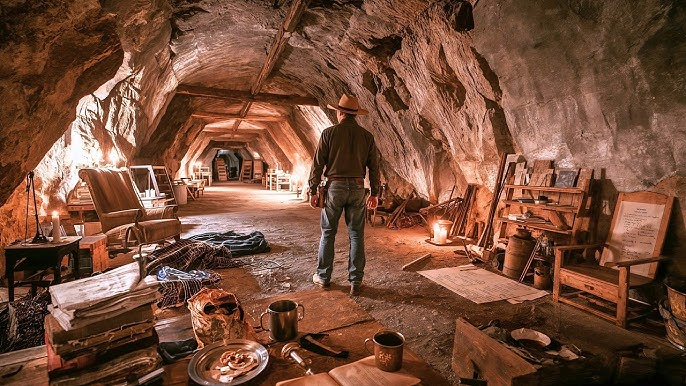
The controversy began when a retired gold prospector allowed geologists to examine a network of old tunnels on his property. The tunnels, originally dug decades ago during regional gold exploration, had long been abandoned.
Instead of sealing the tunnels permanently, the former miner believed they could provide valuable insights into both regional geology and mining history.
Researchers were interested in studying several aspects of the site, including:
- Rock formations and mineral deposits
- Historical mining techniques
- Underground structural stability
- Evidence of past gold extraction methods
The tunnels offered a rare opportunity to study a piece of mining history that had remained largely untouched for years.
Why Geologists Were Interested
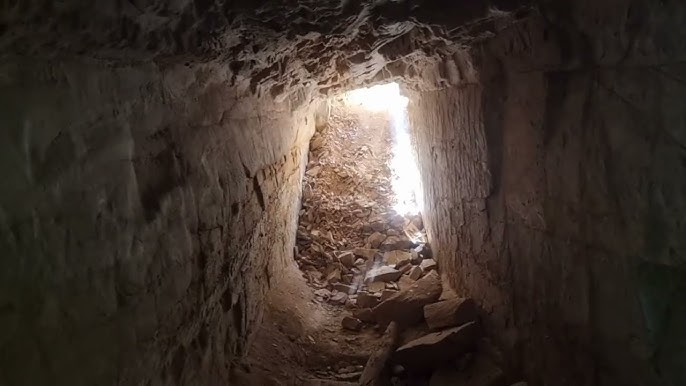
Old mines are often considered natural geological laboratories. They provide direct access to underground rock layers that would otherwise require expensive drilling operations to reach.
In this case, the tunnels revealed geological formations dating back millions of years. Scientists hoped to analyze these layers to better understand:
- Regional mineral deposits
- Ancient tectonic activity
- The formation of gold-bearing rock veins
Such studies can help improve future mineral exploration while also contributing to academic research.
The Unexpected Discovery Inside the Tunnels
During their exploration, geologists reportedly identified several features of interest inside the mine.
These included:
- Previously undocumented mineral veins
- Unusual rock formations
- Evidence of early mining practices
The tunnels themselves were considered valuable historical artifacts, reflecting techniques used by prospectors during earlier periods of gold exploration.
For historians and geologists alike, the site represented a unique intersection of science and heritage.
The Introduction of the “Historical Cavity Tax”
However, the situation changed dramatically when local authorities introduced a new policy concerning underground cavities located on private land.
Under the proposal, property owners with accessible historical mine tunnels or underground cavities could be required to:
- Register the cavities with authorities
- Pay fees associated with safety inspections
- Contribute to preservation or monitoring programs
The measure quickly became known among critics as the “historical cavity tax.”
Officials argued that the regulation was necessary to manage potential risks posed by abandoned mines.
Why Authorities Say the Tax Is Necessary
Governments often face challenges when dealing with old mining infrastructure.
Abandoned tunnels can create several risks:
Structural Collapse
Over time, unsupported tunnels may weaken, potentially collapsing and creating surface sinkholes.
Safety Hazards
Unsecured mines can pose dangers to hikers, explorers, or curious visitors.
Environmental Concerns
Old mines may contain contaminated materials or unstable rock formations that require monitoring.
Officials claim that registering and inspecting underground cavities helps ensure public safety and environmental protection.
Outrage from Property Owners
Despite these arguments, the new tax proposal has triggered strong opposition.
Many property owners believe the regulation unfairly penalizes individuals who already maintain their land responsibly.
Critics argue that:
- The tunnels existed long before modern regulations
- Owners are being punished for cooperating with scientific research
- The policy could discourage future collaboration between researchers and private landowners
The former gold prospector at the center of the controversy has expressed frustration that his willingness to share the tunnels for research may now result in additional costs.
Concerns from the Scientific Community
Geologists and historians have also raised concerns about the potential consequences of the new tax.
If property owners fear financial penalties or regulatory burdens, they may become reluctant to allow researchers access to underground sites.
This could limit opportunities for scientific study, particularly in areas where privately owned mines represent the only accessible geological exposures.
Researchers emphasize that cooperation with landowners is essential for many geological discoveries.
The Historical Value of Old Mines
Beyond their geological importance, abandoned mines often hold significant historical value.
They provide insight into:
- Early mining communities
- Economic development in resource-rich regions
- Technological advancements in mining equipment and techniques
Many historians argue that preserving these sites is crucial for understanding how mining shaped regional economies and societies.
In some cases, former mines have been transformed into museums or educational attractions.
Legal Questions Surrounding the Tax
The introduction of the “historical cavity tax” has raised several legal questions.
Property owners and legal experts are debating issues such as:
- Whether underground cavities should be treated as taxable structures
- How historical sites on private land should be regulated
- Who bears responsibility for maintaining abandoned mines
Some critics argue that the policy blurs the line between heritage preservation and property taxation.
Legal challenges may ultimately determine whether the regulation remains in place.
Economic Impact on Rural Communities
In regions where mining once played a major role in the local economy, abandoned tunnels are relatively common.
A new tax targeting these structures could affect:
- Farmers and rural landowners
- Former miners who own old claims
- Communities built around historic mining districts
For many residents, the concern is not only the financial burden but also the precedent such policies could set for other forms of land use.
The Balance Between Safety and Heritage
Supporters of the tax argue that safety must remain a priority.
Old mines can pose serious hazards if left unmonitored, particularly in areas where population growth brings more people into contact with former mining sites.
However, critics insist that solutions should focus on collaboration rather than penalties.
Possible alternatives suggested by experts include:
- Voluntary inspection programs
- Government-funded safety assessments
- Partnerships between landowners and research institutions
These approaches could protect public safety without discouraging cooperation.
How Similar Issues Have Been Handled Elsewhere
In many countries with long mining histories, governments have developed programs to manage abandoned mines.
Some policies include:
- Public funding for mine stabilization
- Historical preservation initiatives
- Educational tourism programs
These strategies aim to preserve mining heritage while addressing safety concerns.
The debate surrounding the “historical cavity tax” reflects the broader challenge of balancing regulation, research, and private property rights.
What Happens Next
As public debate continues, officials may revisit the policy in response to community feedback.
Possible outcomes include:
- Modifying the tax structure
- Creating exemptions for research-related access
- Establishing government assistance programs for landowners
The former gold prospector’s case has already drawn attention to the complexities involved in regulating historical mining sites.
The Bigger Picture
At its core, the controversy illustrates a broader issue: how societies manage and preserve the remnants of past industries.
Mining shaped the economic development of many regions, leaving behind both valuable heritage and physical challenges.
Old tunnels, shafts, and cavities represent more than just abandoned infrastructure—they are windows into history and geology.
Finding a balanced approach that protects safety, respects property rights, and encourages scientific discovery remains a key challenge for policymakers.
Conclusion
What began as a cooperative effort between a former gold prospector and geologists has unexpectedly evolved into a major debate about regulation, property rights, and historical preservation.
The introduction of a “historical cavity tax” has sparked outrage among property owners and raised concerns within the scientific community.
As discussions continue, the case highlights the importance of collaboration between researchers, landowners, and government authorities in managing historical mining sites.
Ultimately, the outcome of this controversy may shape how societies handle the legacy of past mining activities—and how they balance the needs of safety, science, and heritage.
FAQs
What is the “historical cavity tax”?
It is a proposed fee or regulation requiring property owners to register and potentially pay for monitoring or maintaining underground cavities such as old mine tunnels.
Why are geologists interested in abandoned mines?
Old mines provide access to underground rock layers, allowing scientists to study geological formations and mineral deposits.
Are abandoned mine tunnels dangerous?
They can be. Some tunnels may collapse or create safety hazards if they are not properly maintained or secured.