
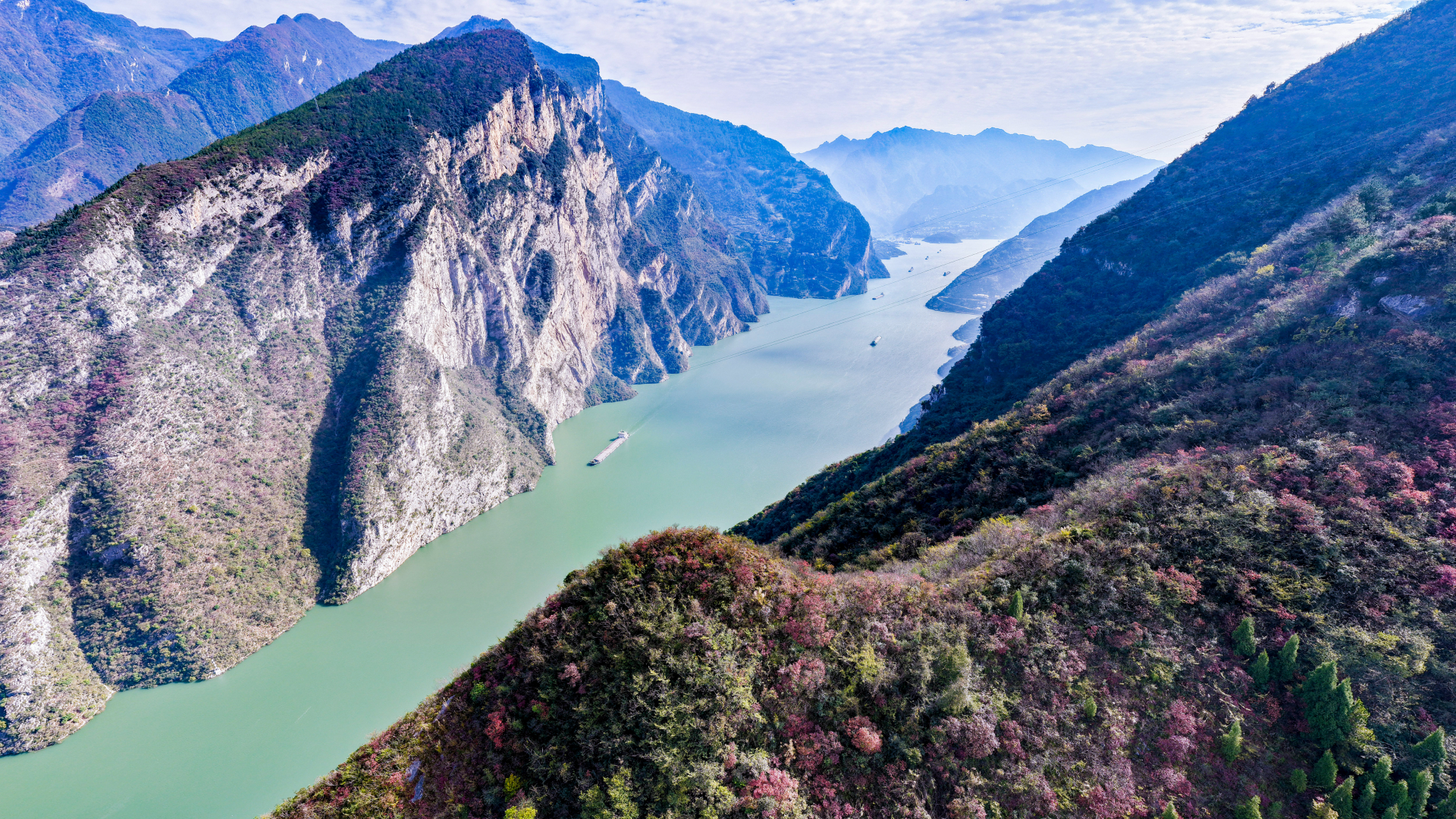
Introduction: Why the World’s Largest River Deltas Are in Trouble
Global Danger: River deltas are among the most fertile, productive, and densely populated landscapes on Earth. Formed where rivers deposit sediment as they enter oceans or seas, deltas support agriculture, fisheries, and millions of people who depend on them for livelihoods. However, recent scientific research shows that many of the world’s largest river deltas are sinking faster than global sea levels are rising.
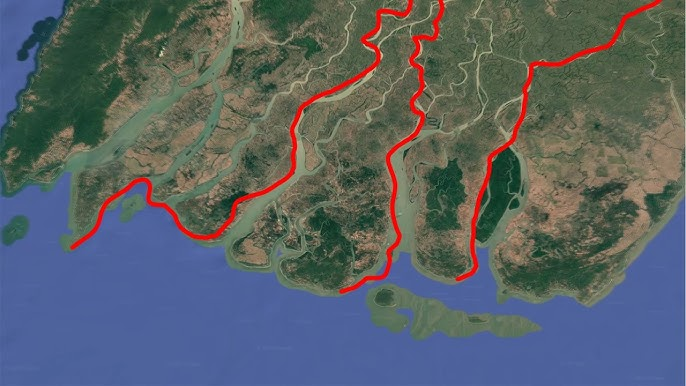
Alarmingly, 18 of Earth’s biggest river deltas—including the iconic Nile Delta and the vast Amazon Delta—are subsiding at rates that could dramatically increase flooding, coastal erosion, and displacement of populations. This phenomenon, known as land subsidence, combined with climate-driven sea level rise, threatens ecosystems, agriculture, and megacities around the globe.
In this article, we explore why these deltas are sinking, which regions are most at risk, and what this means for the future of coastal communities.
What Is a River Delta?
A river delta forms when a river slows down as it meets a larger body of water—such as a sea or ocean—and deposits sediment like sand, silt, and clay. Over thousands of years, this accumulation creates a triangular or fan-shaped landform.
Some of the most famous examples include:
- Ganges–Brahmaputra Delta
- Mekong Delta
- Mississippi River Delta
- Niger Delta
These regions are extremely important because they:
- Provide fertile land for farming
- Support massive biodiversity
- Host major cities and ports
- Sustain millions of people
Despite their importance, deltas are naturally fragile landscapes that depend on a constant supply of sediment from upstream rivers.
The Alarming Reality: 18 Major Deltas Are Rapidly Sinking
Scientists have discovered that 18 of the world’s largest river deltas are subsiding at rates exceeding global sea level rise. This means the land itself is dropping faster than the ocean is rising, amplifying the risk of flooding.
Among the most vulnerable deltas are:
- Nile Delta – Egypt
- Amazon Delta – Brazil
- Mississippi River Delta – United States
- Mekong Delta – Vietnam
- Yangtze River Delta – China
- Ganges–Brahmaputra Delta – Bangladesh and India
- Indus River Delta – Pakistan
- Irrawaddy Delta – Myanmar
- Chao Phraya Delta – Thailand
- Red River Delta – Vietnam
- Pearl River Delta – China
- Niger Delta – Nigeria
- Po River Delta – Italy
- Danube Delta – Romania and Ukraine
- Rhine–Meuse–Scheldt Delta – Netherlands
- Magdalena River Delta – Colombia
- Orinoco Delta – Venezuela
- Volga Delta – Russia
These deltas collectively support hundreds of millions of people, making their decline a major global concern.
Why River Deltas Are Sinking
Several interconnected factors are responsible for the rapid sinking of river deltas.
1. Natural Land Subsidence
Deltas are built from soft sediments that compress over time. As layers of mud and sand accumulate, the weight causes the ground to gradually compact and sink.
While this process is natural, human activities have dramatically accelerated it.
2. Reduced Sediment From Dams
One of the biggest threats to deltas is sediment starvation caused by dams and reservoirs.
When rivers are dammed, sediment that would normally flow downstream gets trapped in reservoirs. Without this steady supply of sediment, deltas cannot rebuild themselves.
For example:
- Sediment flow to the Nile Delta declined significantly after the construction of the Aswan High Dam.
- Multiple dams along the Yangtze River have reduced sediment reaching the Yangtze River Delta.
Without sediment replenishment, erosion and sinking accelerate.
3. Excessive Groundwater Extraction
Many delta regions rely heavily on groundwater for drinking water, agriculture, and industry.
However, pumping groundwater removes water from underground layers, causing the land above to collapse.
This issue is particularly severe in:
- Mekong Delta
- Chao Phraya Delta
- Ganges–Brahmaputra Delta
In some places, the land is sinking several centimeters per year, far exceeding the rate of sea level rise.
4. Urbanization and Infrastructure
Large cities built on delta regions add significant weight to soft sediment layers.
Major urban centers in delta regions include:
- Shanghai in the Yangtze River Delta
- Ho Chi Minh City in the Mekong Delta
- Bangkok in the Chao Phraya Delta
Heavy buildings, roads, and industrial zones contribute to soil compaction and subsidence.
Climate Change and Rising Seas
While subsidence is the main driver of land loss in many deltas, climate change compounds the problem.
Global warming causes sea levels to rise due to:
- Melting glaciers and ice sheets
- Thermal expansion of seawater
As oceans expand, sinking deltas face even greater flooding risks.
Regions such as the Ganges–Brahmaputra Delta and Mekong Delta are considered among the most vulnerable to climate-driven coastal flooding.
Impacts on People and Ecosystems
The consequences of sinking deltas extend far beyond geography.
1. Increased Flooding
As land sinks and seas rise, storm surges can travel further inland.
Cities, farmland, and villages become more vulnerable to flooding during storms and high tides.
2. Agricultural Loss
Many deltas are among the world’s most productive agricultural regions.
For example:
- The Mekong Delta produces a large share of Vietnam’s rice exports.
- The Nile Delta supplies much of Egypt’s food production.
Saltwater intrusion from rising seas can damage crops and reduce soil fertility.
3. Ecosystem Destruction
Delta ecosystems include wetlands, mangroves, and estuaries that support fish, birds, and wildlife.
When deltas sink:
- Wetlands disappear
- Fisheries decline
- Biodiversity drops
The loss of mangroves also reduces natural storm protection.
4. Displacement of Communities
Millions of people living in delta regions face the risk of displacement.
Countries with the largest populations in sinking deltas include:
- Bangladesh
- Vietnam
- Egypt
- China
Climate migration from these regions could become one of the biggest humanitarian challenges of the 21st century.
Which Delta Is Sinking the Fastest?
Among the most rapidly subsiding deltas is the Mississippi River Delta in the United States.
Large portions of coastal Louisiana are sinking due to:
- Oil and gas extraction
- Levee construction
- Loss of sediment flow
In fact, parts of the region have lost thousands of square kilometers of wetlands over the past century.
Can River Deltas Be Saved?
Despite the challenges, scientists and governments are exploring ways to protect and restore river deltas.
Sediment Restoration Projects
Some projects aim to restore natural sediment flow.
For instance, restoration plans in the Mississippi River Delta include controlled diversions that allow sediment to rebuild wetlands.
Sustainable Water Management
Reducing groundwater extraction and improving water efficiency can slow land subsidence in vulnerable deltas.
Wetland and Mangrove Restoration
Restoring wetlands and mangroves can:
- Reduce coastal erosion
- Protect against storms
- Improve biodiversity
Climate Adaptation Planning
Governments in countries like Vietnam and Netherlands are investing in climate adaptation strategies, including flood defenses and resilient infrastructure.
The Future of the World’s River Deltas
River deltas have sustained civilizations for thousands of years. However, the combination of human activity and climate change now threatens their survival.
If current trends continue, many delta regions could face severe land loss, ecosystem collapse, and population displacement within this century.
Protecting these landscapes will require coordinated global efforts, including sustainable river management, climate mitigation, and large-scale restoration projects.
Conclusion
The discovery that 18 of Earth’s largest river deltas are sinking faster than global sea levels are rising highlights a growing environmental crisis.
From the fertile Nile Delta to the immense Amazon Delta, these landscapes are vital to food production, biodiversity, and human livelihoods.
Without urgent action to restore sediment flows, reduce groundwater extraction, and adapt to climate change, many of the world’s most important delta regions could face irreversible damage.
The fate of these deltas is not just a regional issue—it is a global challenge that will shape the future of coastal populations worldwide.
FAQs
1. What is a river delta?
A river delta is a landform created when a river flows into a larger body of water—such as an ocean, sea, or lake—and deposits sediments like sand, silt, and clay. Over time, these sediments build up and form fertile, triangular-shaped land. Famous examples include the Nile Delta, Amazon Delta, and Ganges–Brahmaputra Delta.
2. Why are many of the world’s river deltas sinking?
Many deltas are sinking due to land subsidence, which occurs when sediments compact over time. Human activities such as groundwater extraction, dam construction, and urban development have accelerated this process in deltas like the Mekong Delta and the Mississippi River Delta.
3. How many major river deltas are sinking faster than sea levels are rising?
Scientific studies show that 18 of the world’s largest river deltas are subsiding faster than global sea levels are rising. These include major deltas such as the Yangtze River Delta, Niger Delta, and Indus River Delta.